
PG vs Flat in Bangalore: Which One Should You Actually Rent?
Anyone moving to Bangalore for work or college eventually hits the same fork in the road: rent a PG, or rent a flat. Both put a roof over your head, but they solve very different problems — and the wrong choice usually shows up as either an empty bank account or a room you're stuck sharing with three strangers when you'd rather have had your own kitchen. Here's how to actually decide.
The core trade-off
A PG (paying guest accommodation) rents you a bed or a room inside a shared house — furnished, usually with food included, and with none of the setup that comes with a full flat. A flat rents you the whole unit — a 1 RK, 1 BHK, 2 BHK, or 3 BHK — empty or semi-furnished, which you then fill, cook in, and are fully responsible for.
The short version: a PG optimizes for low commitment and zero setup. A flat optimizes for space and privacy, at the cost of doing everything yourself.
What each one actually costs
This is where most people get the comparison wrong, because they compare a PG's rent to a flat's rent without accounting for what's bundled in.
As a rough range we've seen across current listings — not a citywide average, and it shifts over time — single-sharing PG rooms often run ₹15,000–₹25,000 a month, double sharing around ₹10,000–₹15,000 per person, and triple sharing lower still. That figure usually already includes food, Wi-Fi, housekeeping, and power backup — so it's close to your entire monthly living cost, not just rent. Always confirm the current rate on the specific listing rather than relying on a range like this.
A 1 BHK flat, by contrast, might list for a similar ₹15,000–₹22,000 a month — but that's rent alone. Add a deposit that's commonly 6–10 months' rent in Bangalore specifically — noticeably higher than the 1–2 months typical in many other Indian cities, and it catches a lot of newcomers off guard. It's set by the individual landlord, not fixed by law, so it does vary — but budget for it. Add a gas connection, furniture or rental furniture, groceries, cooking, and utility bills, and the real monthly cost of a flat is usually meaningfully higher than the sticker rent suggests — especially in the first month, when the deposit alone can be double what several months of PG living would have cost.
Side-by-side: one example, not a citywide average
To make the trade-off concrete, here's a single illustrative comparison — a single-sharing PG room against a 1 BHK flat, using example figures consistent with current CoFindz listings. Treat this as one example to reason from, not an average across the city — always check the specific listing.
- Monthly rent: PG ₹20,000 (all-inclusive) vs Flat ₹18,000 (rent only)
- Security deposit: PG ₹20,000 (one month) vs Flat ₹1,44,000 (8 months — mid-range for Bangalore)
- Food: PG included in rent vs Flat self-cooked, budget roughly ₹6,000–₹9,000/month
- Utilities (electricity, water, gas): PG included vs Flat typically ₹1,500–₹3,000/month, billed separately
- Furnishing: PG fully furnished, nothing to buy vs Flat empty or semi-furnished — budget ₹20,000+ upfront if starting from scratch
- Privacy: PG shared room and common areas vs Flat full unit, your own kitchen and front door
- Initial moving cost (month 1): PG roughly ₹20,000–₹40,000 (deposit + first month) vs Flat roughly ₹1,60,000–₹1,90,000+ (deposit + first month + furnishing/setup)
The deposit gap is usually the single biggest number in this comparison — it's why a PG stays the lower-commitment, lower-cash-outlay option even when the monthly rent looks similar.
Who a PG actually makes sense for
- You're new to the city and don't yet know which area you want to commit to long-term.
- You want to move in the same week you look, without furnishing anything.
- You'd rather not cook, or don't have time to between work and commute.
- You're on a short posting, an internship, or don't know how long you'll stay.
- You want a lower upfront cash outlay than a flat's deposit demands.
Who a flat actually makes sense for
- You're moving with a partner, roommates you already know, or family.
- You want your own kitchen and don't want food decided for you.
- You're staying long-term and the flat's per-month cost evens out or beats a PG once you factor in cooking your own meals.
- You value having a lock-and-key space with no shared walls to a stranger's room.
- You want to be able to have guests over on your own terms, without a PG's house rules on visiting hours.
A middle path: co-living
If neither extreme fits, co-living setups split the difference — private or twin-sharing rooms with hotel-style common areas (lounges, sometimes a gym), a bit more polish than a standard PG, priced slightly above single-sharing PG rates but still bundled and still commitment-light. Worth checking if you want more privacy than a PG but aren't ready for a flat's overhead.
Before you sign anything
Whichever way you go, confirm three things in writing before paying a rupee: the deposit amount and what triggers a deduction from it, the notice period required to leave, and — for a PG specifically — exactly what's included in the quoted rent (meals, how many per day, Wi-Fi, housekeeping frequency, power backup). "Food available" and "food included" are not the same thing, and it's the single most common source of PG disputes.
For a flat, get the rental agreement itself, confirm whether it's registered, and check who's responsible for maintenance charges and society fees before you move in — these often aren't mentioned until the first bill arrives.
Whether you land on a PG, a flat, or a 1 BHK for now with a 2 BHK later, the same rule holds: go straight to the owner. Compare current PG and flat listings — filter by type, sharing or unit size, and budget, and message the owner directly on WhatsApp. No brokerage, ever.
General guidance only. Rules, documents, and deposits vary by owner and agreement, so confirm the specifics with the owner before you pay, and get professional advice for legal questions.
Recently listed
Serinity Homes Block B
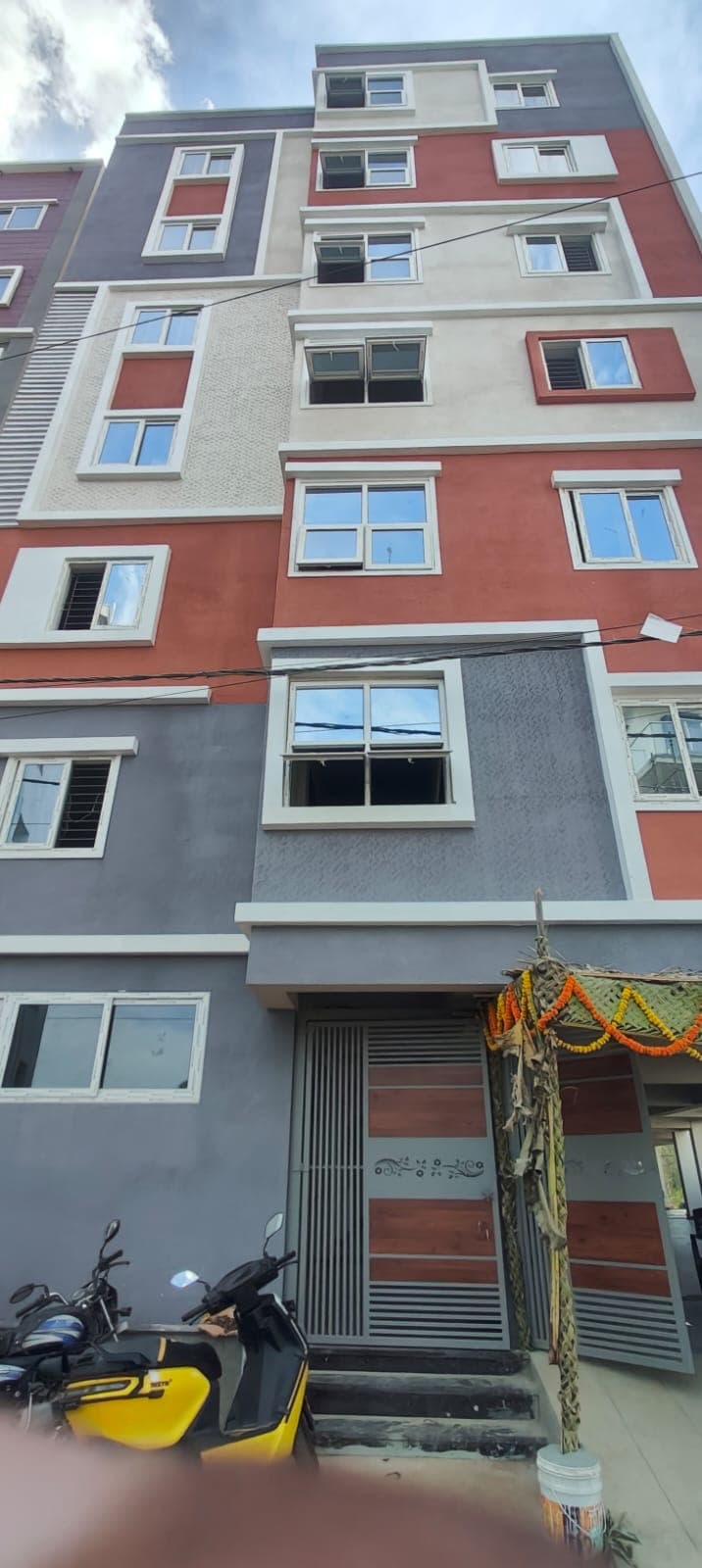 Flat · Anyone2 units free
Infinity Premium Homes
Eden Premium Homes
More guides

What to Check When You Visit a PG or Flat in Bangalore

How to Spot a Fake or Misleading PG/Flat Listing in Bangalore